
Legal Support for University Agreements
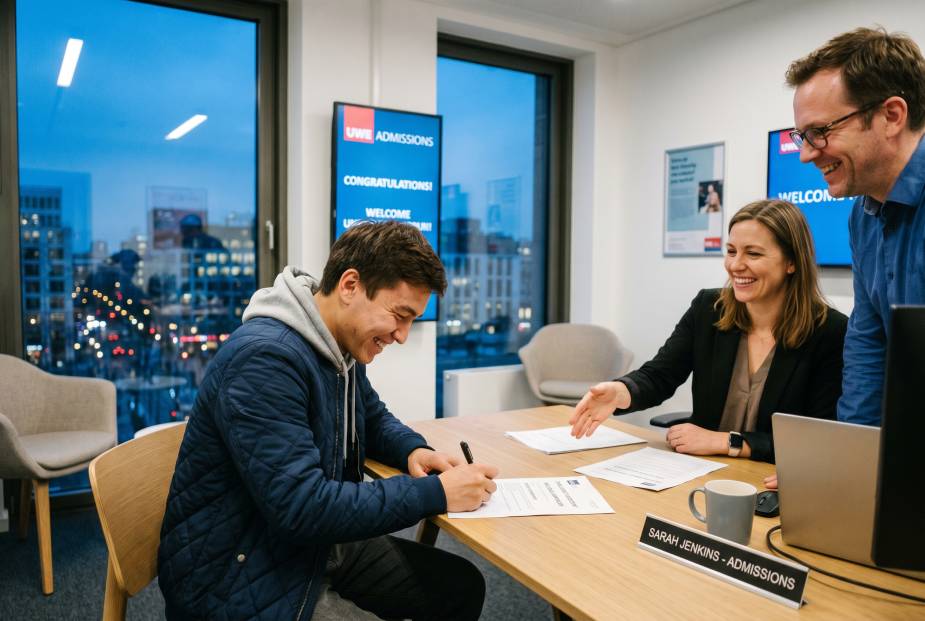
Sign the document — once you know what you're signing up to
A contract with a university abroad is often dismissed as a formality: «what could possibly go wrong, I'm only here to study». In reality, this is the document that governs everything — from your semester fees to the circumstances in which you can be expelled with no refund. We review these contracts and explain every clause in plain language, because signing something in English or Chinese «as is» is a risk you take on entirely yourself.
The risks hidden in standard contracts
Universities are large institutions, and their contracts are drafted by lawyers who protect the university's interests, not the student's. They typically include:
-
Non-obvious grounds for expulsion. Unexplained absence might be capped not at 20% but at 15% — and you're out. Or you fail an exam at the first attempt with no right to resit.
-
Refund terms. Many contracts allow a refund only before the semester begins; after that, not a penny — even if you fall ill or your visa is refused.
-
Automatic renewal. You sign a one-year contract and it rolls over into the next year unless you give 90 days' notice — notice that can only be sent to the dean's email, an address you were never given.
-
Charges and hidden fees. A contract may slip in an «administrative services fee» of 500 dollars a semester. Quite what those services are is anyone's guess.
-
Force majeure. If the university closes a programme or raises its prices, your only right is to terminate — and the tuition already paid is not refunded.
What we do:
-
We translate the contract into Russian with legal precision — not a «Google translation», but with the terminology checked carefully.
-
We analyse every clause: which terms are standard practice and which are clearly stacked against the student.
-
We flag the hidden risks and explain them plainly. Not «clause 4.2.3 governs the dispute resolution procedure», but «if there's a dispute, the case goes to court in the university's country, and hiring your own lawyer is all but impossible».
-
Where the university's rules allow, we help you draw up a schedule of disagreements or a supplementary agreement. Universities will sometimes amend disputed clauses for international students.
-
We point out what to watch for when signing: where to date the document, which papers to request as appendices, and whether certified copies are needed.
Why reviewing a contract on your own is a bad idea
Your English may be excellent. But legal English is a language of its own. Phrases like «in consideration of the mutual covenants» or «force majeure not including visa denial» aren't taught on IELTS courses.
Legal systems differ, too. A clause that would be unlawful in Kyrgyzstan is standard practice in the United Kingdom or China. You need someone who has seen dozens of these contracts and knows where there's room to negotiate and where you can only accept or walk away.
We don't stand in for a lawyer in court. But we won't let you sign a contract you'll come to regret. If it carries a risk of losing money or being expelled on a technicality, we'll warn you.
If you've received a contract from a university abroad and don't fully understand it, get in touch. Send us the document, we'll run a quick analysis and tell you whether there's cause for concern. The decision is then yours, and the consultation comes with no obligation.