Education in the United Kingdom
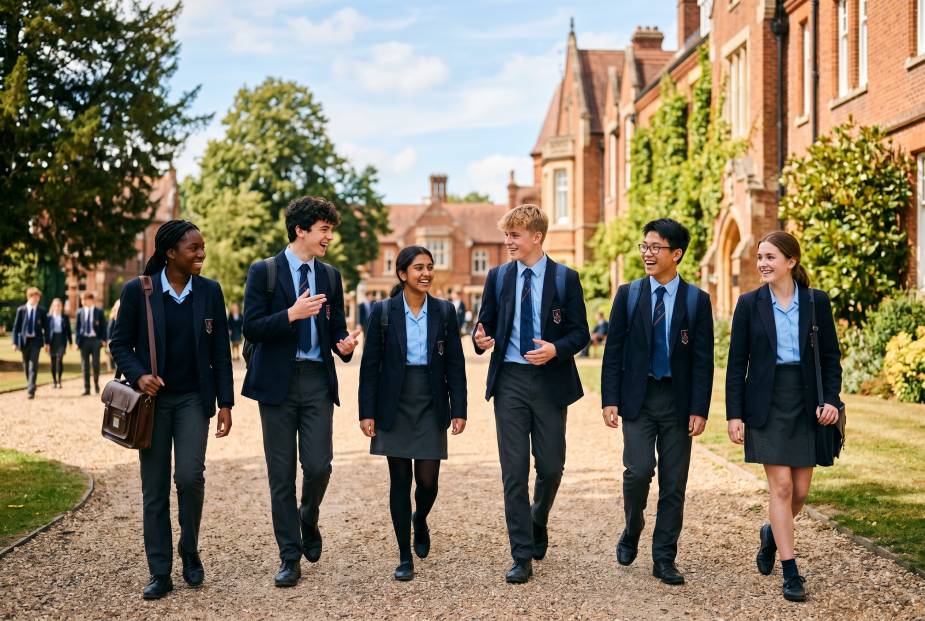
British education is a classic with a worldwide reputation, and we do not say that lightly. Behind the system lie centuries of academic tradition that have shaped more than one generation of Nobel laureates and world leaders. For young people from Kyrgyzstan, it is a chance to touch something genuinely fundamental. Oxford and Cambridge are no longer merely university names but brands that work for you for the rest of your life. The figures show the scale. According to Public First (May 2025), the export value of British higher education from international students exceeds 20 billion pounds a year; count every indirect effect and the total reaches around 55 billion, making it the country's fourth-largest export sector. Almost half of the international students surveyed name high quality, the worldwide recognition of degrees and strong career prospects as their main reasons for choosing the UK.
Pros and cons: an objective assessment
Start with what wins you over. A British Master's lasts just one year and a Bachelor's three — a real saving of time and money compared with American four-year programmes. University careers services also run at full tilt: job fairs and direct links with business let you start building your career before you have even graduated.There is a harder side too, and we will not hide it. London calls for a budget of roughly 35–50 thousand pounds a year, tuition and living combined, with living costs alone running to around 1100–1300 pounds a month. For a student visa you must prove a minimum of 1483 pounds a month for living costs in London and 1134 outside it. In practice the figure is often higher: in 2025 the median monthly cost for an international student was 1402 pounds. English weather, with its lingering rain and early dusk, can be a real test for anyone used to sunny Kyrgyzstan, and the strain of cultural adaptation is very real. A Russell Group survey (May 2025) found that one in two international students reports mental-health difficulties during their studies. So prepare yourself mentally.
The programmes on offer: from school students to top executives
Britain has options for every age and budget.Summer camps and language schools are the ideal first step for school students aged 8–17. Prices start from 1225 pounds a week including accommodation, and a standard two-week course costs around 3400 pounds. These schools are often set right on the campuses of private boarding schools, so a child not only improves their English but also absorbs the spirit of British education.
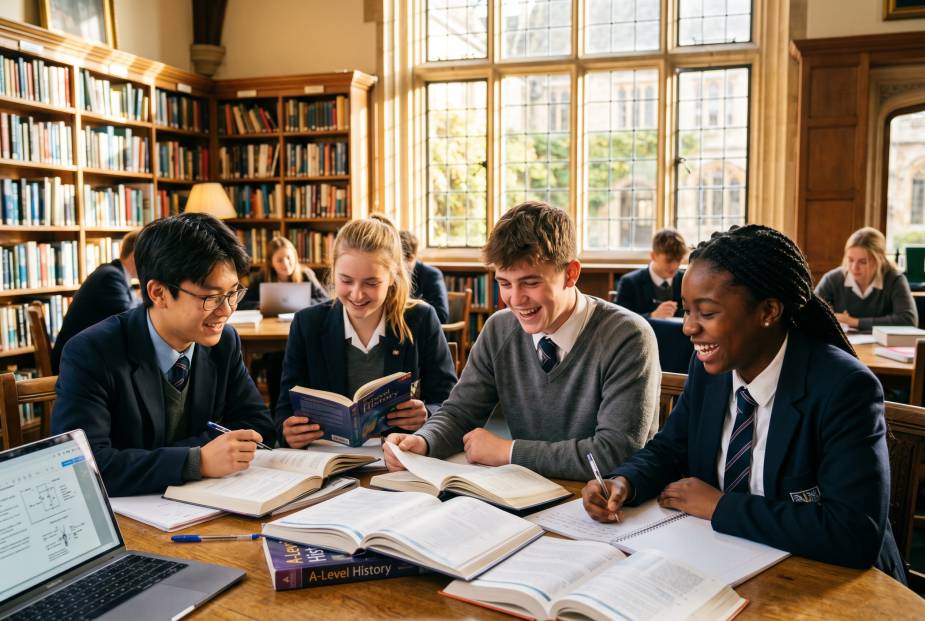
Secondary education at boarding schools means a full course of preparation for A-levels, widely seen as the golden ticket to the world's top universities. International students live in residences under the constant care of mentors, fully immersed in the life of the school.
Bachelor's and Master's degrees are the most popular route. A Bachelor's lasts three years (except in Scotland) and a Master's one. Competition at the top is fierce: at Oxbridge and the leading departments of LSE it reaches seven applicants per place, and on some courses up to ten.
The MBA is the pinnacle of business education. London Business School and its peers open doors to the upper reaches of management. The most sought-after fields today are IT areas such as AI, Data Science and cybersecurity, where starting salaries begin at 45 thousand pounds a year. Medical specialisations are also unrivalled for employment.
Student life: how it all works on the ground
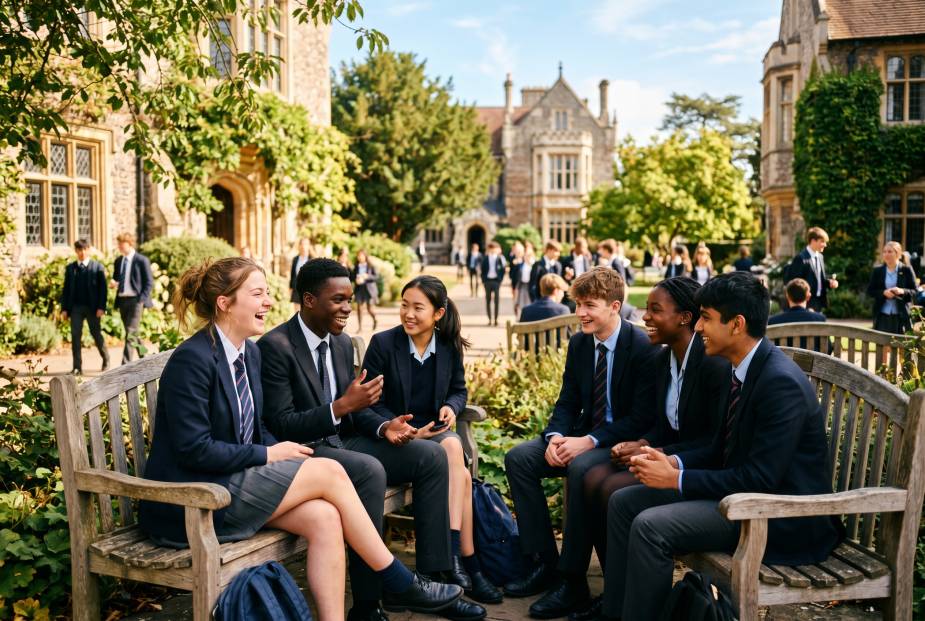
Life in Britain is very different from both Bishkek and Osh. The easiest option for newcomers is university halls of residence: they are safe, they offer a ready-made social circle, and tutors are on hand to help. Later, many move into private flats, sometimes sharing a room or house with other students.When weighing London against the provinces, remember that London means endless opportunities — museums, theatres, internships at global corporations — but the cost of a mistake is higher. A room starts from 800 pounds a month, and students pay on average 900–1500 depending on the area. Life in Manchester or Leeds is far cheaper, and the education is every bit as good.
At first, culture shock will hit. Shops and cafés close early, and by six in the evening the city can feel empty. But you adjust quickly, especially once you make friends among students from Asia, Africa and Europe. That is the moment you stop feeling like a lonely foreigner and start feeling part of a global community.
Unique features you won't find anywhere else
Oxbridge and tutorials. The standout feature is one-to-one or paired sessions with a professor, where you do not simply listen but argue, defending your own point of view. There is nothing quite like it anywhere in the world.The Russell Group is an association of 24 leading research universities, including Oxford, Cambridge, Imperial College and UCL. Russell Group status is a mark of teaching quality and of a degree's weight on the job market.
Cultural heritage. Big Ben, the Scottish Highlands and the castles of Wales become part of your education. Until recently many museums, including the British Museum, were free; however, as of 2026 the government is considering an entry fee for international tourists and possibly students, so free admission is no longer guaranteed — check before you visit. And Paris or Amsterdam is just a couple of hours away by train.
What is particularly important for citizens of Kyrgyzstan
Beyond funding, keep the climate and the mentality in mind. If you are sensitive to a lack of sunshine or not ready for strict academic discipline, adaptation may take longer. For students from Kyrgyzstan, the International Student Office support services and community associations are always open, where you can get advice in your own language.The main prize for our young people is the prestigious Chevening scholarship from the British government. It funds a one-year Master's in full, covering your flight and visa and providing a monthly stipend of 1347 pounds for London. The requirements: a Bachelor's degree, two years of work experience and a clear wish to return home and change Kyrgyzstan for the better. Chevening is open to citizens of more than 160 countries, including ours. Applications for the next academic year traditionally open in August, with the deadline in November. There are also scholarships from the universities themselves, for example from the University of Essex, among other programmes.
The key points in brief
British education is about prestige and quality. Yes, it is expensive. Yes, the competition is enormous. But in one to three years you gain a foundation that pays off across decades of your career. A Master's in a year, internships in London, access to the world's best research laboratories — all of it is achievable with systematic preparation.If questions remain about choosing a university, securing a boarding-school place for your child or applying for Chevening, get in touch with our specialists. We will help you find the best route to Foggy Albion and make the application process as transparent and predictable as possible.