Education in Switzerland
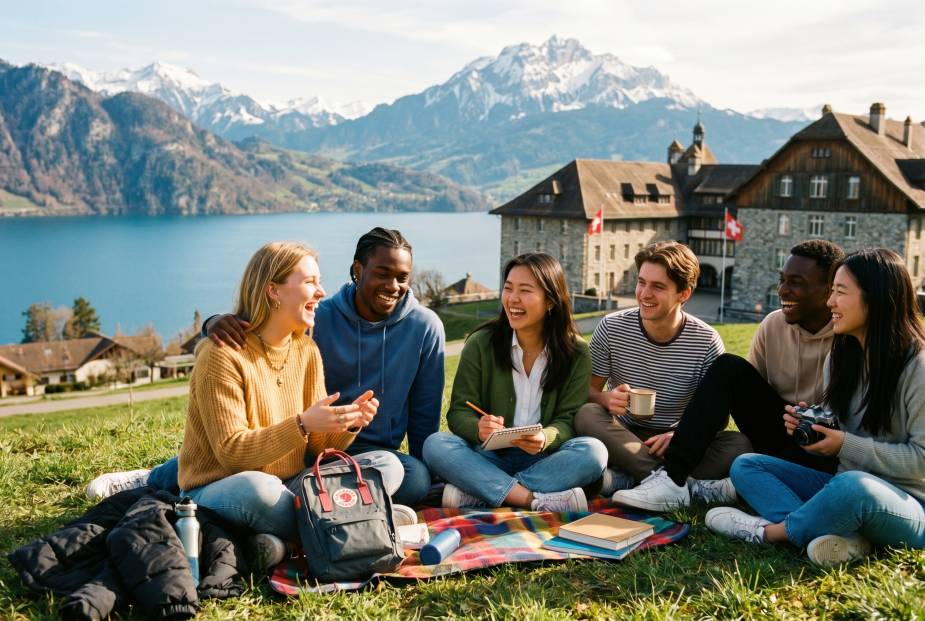
When it comes to studying, Switzerland is a law unto itself. On one hand, its public universities are world stars; on the other, tuition can cost less than in France or Germany. You read that right. But there is a catch: living there is so expensive that you count every franc, and finding accommodation in Zurich or Geneva is a quest on «boss» difficulty. It is as if the country were saying: «An education? Take it, almost for free. But for the privilege of breathing here, you will pay.» And many accept the deal. Foreigners make up to thirty percent of students at Swiss universities, one of the highest shares in the world.
Now to the point: the rewards and the pain
The good. The quality is top-tier. ETH Zurich is seventh in QS 2026 and EPFL sits in the top forty, yet tuition for foreigners ranges from just 500 to 2,190 francs per semester — laughable money by European standards. Master's and PhD programmes are often in English, and you will quietly pick up German or French along the way, since there is no avoiding them. Swiss universities of applied sciences also offer strong hands-on practice, and after graduation you are given six to twelve months (in exceptional cases up to eighteen) to find work in your field. Not everyone can offer that.
Now the fly in the ointment. Living is expensive: a student's budget runs from 1,000 to 2,300 francs a month. For their first six months, students from outside the EU may not work, except for a mandatory internship that forms part of their studies. You economise, sometimes brutally. Accommodation in the big cities is a trial in itself — there are simply not enough dormitories to go round. And the real sorrow: even after graduating, staying in Switzerland for good is almost impossible. By various estimates only 5–10 percent of foreign graduates remain, one of the lowest figures in Europe. A shame, isn't it.
What programmes are available
Summer camps for schoolchildren are a way to test the waters, though the prices bite: two weeks at Rosenberg Summer Camp in 2026 starts at 12,650 francs, while the Frilingue language camp runs to 1,750 francs a week. But the immersion is complete.
Boarding schools are a Swiss brand in their own right — Le Rosey, Aiglon, Leysin American School. A year of tuition reaches up to 130,000 francs and buys an international environment, a personal approach and preparation for the world's best universities. Expensive, but many believe it is worth it.
With Bachelor's and Master's degrees, the magic begins. At ETH Zurich you pay 1,460 francs a year; at the University of Geneva, 500 francs per semester; at the University of Zurich, 720. Two years of a Master's at ETHZ costs about the same as six months at an American university. And there is no discrimination: students from Kyrgyzstan pay the same as Europeans.
The MBA is for those aiming for the summit — IMD in Lausanne, the University of St. Gallen. The programme will set you back 75,000–85,000 francs for a year and a half. Expensive, but this is the elite.
What life is like there
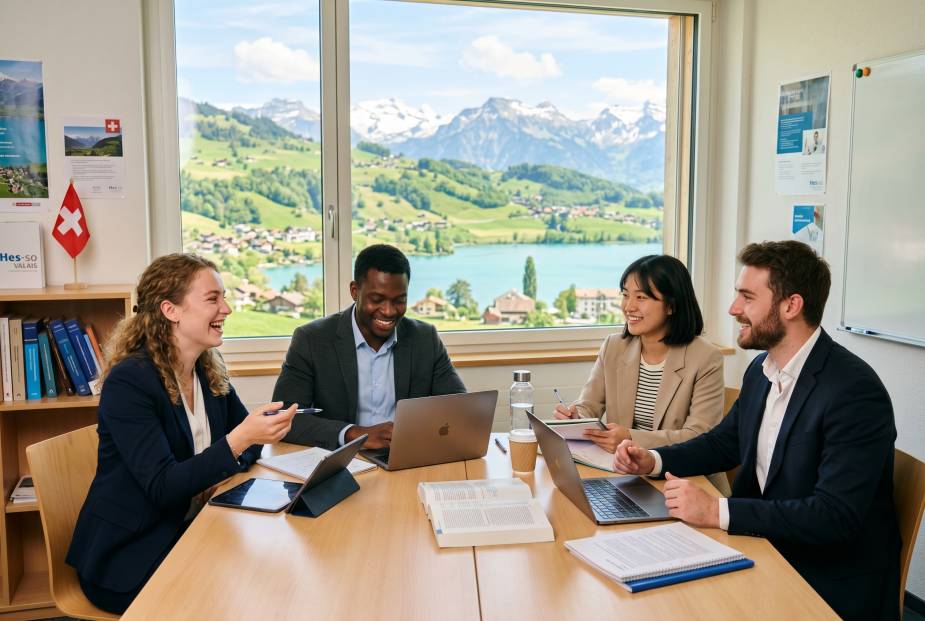
A warning straight away: the rules are strict. After ten in the evening you cannot make noise — a neighbour may call the police if you talk too loudly. For anyone used to lively dormitories, this is a culture shock.
Finding accommodation is the first ordeal. The universities do not provide American-style dormitories, so from day one you look for a flat or room yourself, pay the bills yourself and sort out the paperwork yourself. But the transport is a joy. The trains run on time to the minute. A GA travel pass costs around 3,000–4,000 francs a year and gives unlimited travel, though no one would call it cheap.
If you know German or French, life is easier. If not, try anyway — the locals appreciate the effort.
What else is important
A multilingual environment — English, German and French all mingle here, and schools often teach in two or three languages at once.
Professors at ETHZ and EPFL are not detached from real life: many combine teaching with work at real companies, bringing live cases into the lecture hall and offering internships on the spot. Wonderful.
And once more about the window after graduation: 6 to 12 months, sometimes up to 18, to find a job. Make use of it.
For students from Kyrgyzstan
The main challenge is not getting admitted but proving you have the money. The embassy will ask you to show at least 21,000 francs in your account (or your sponsor's) for the first year of living. The sum is substantial, but it is more realistic to save than the 60,000 dollars needed for America.
Scholarships at Bachelor's level for foreigners are almost a myth. At Master's and PhD level the chances are better: the Swiss Government Excellence Scholarships cover both study and living costs. Applications are usually accepted until September–October of the preceding year.
Language. For programmes in German or French you need C1; for English-taught ones, IELTS 7.0 or TOEFL 100. Start preparing a year ahead, no later.
So, is it worth it?
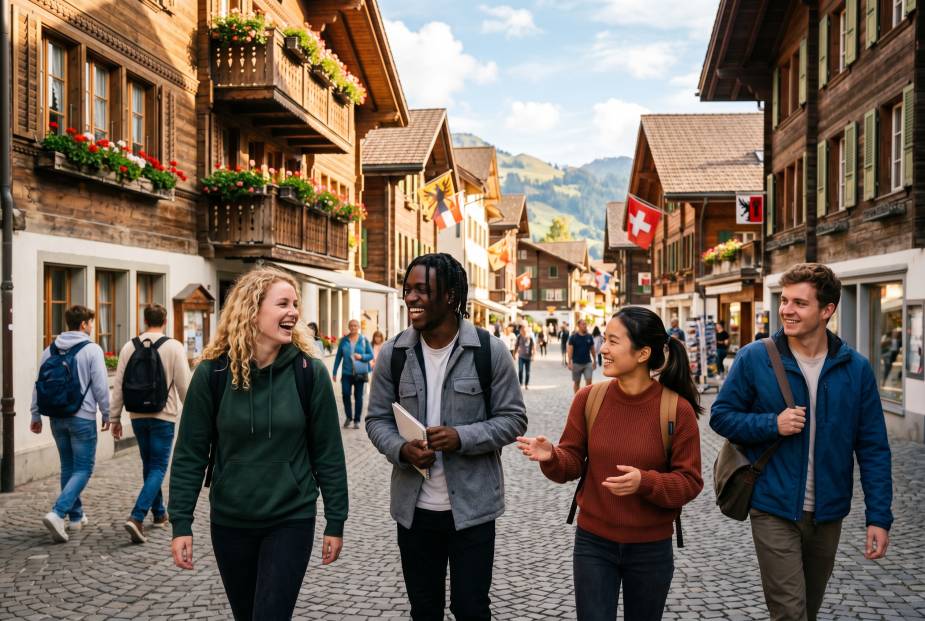
Switzerland offers European quality within reach of more than just oligarchs. You get teaching of the highest level, an international environment and a degree that works everywhere. But be ready for the high cost, the strict order of things and the fact that no one will sort out everyday matters for you. If that does not put you off, Switzerland will be an excellent springboard. If doubts or questions remain about choosing a university, the documents or financing, come to us. We will help you put everything in its place so that your admission is transparent and predictable.