Preparation for International Exams
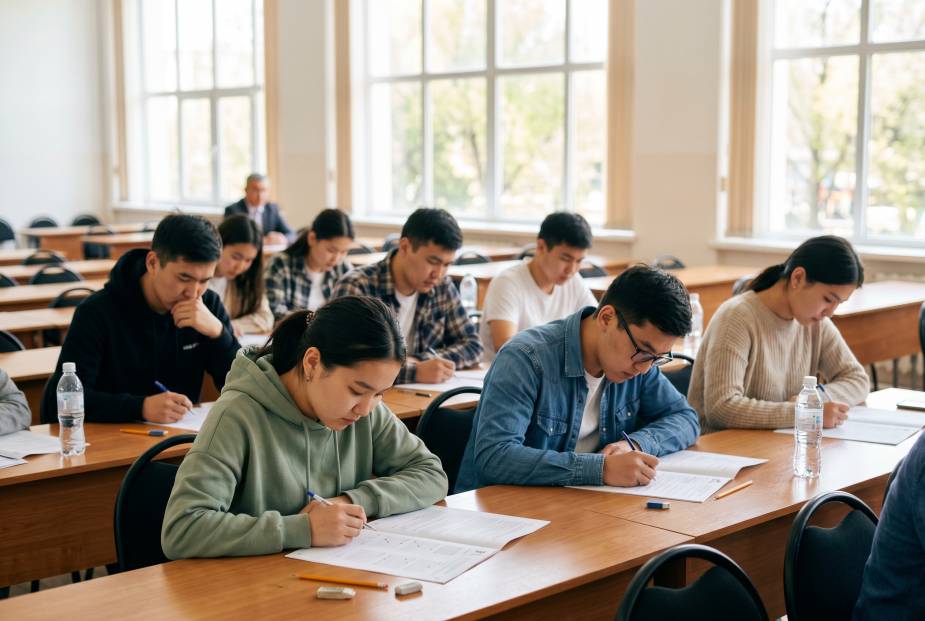
Without an IELTS, TOEFL, SAT, GRE or GMAT certificate, a university abroad simply won't open its doors to you. It isn't a formality — it's a genuine filter. And it's far better to prepare for these exams deliberately than to leave the outcome to chance.
Which exam you need:
-
IELTS / TOEFL — for admission to English-language programmes in almost any country. IELTS is more widely accepted in the United Kingdom, Australia and New Zealand; TOEFL in the USA and Canada. These days, though, many universities accept either.
-
SAT — for a Bachelor's in the USA and some other countries. It tests logic, mathematics and reading rather than language as such.
-
GRE — for Master's and PhD programmes, mainly in the USA and Canada. A general test (verbal, quantitative, analytical writing), plus subject tests in fields such as engineering, psychology and physics.
-
GMAT — for business schools and MBA programmes. Heavily focused on data analysis, critical thinking and logic.
How we run preparation: in person in Bishkek and online
In-person courses in Bishkek. We teach in small groups or one to one: live conversation, pronunciation work, and the chance to ask and be corrected on the spot. All the materials are ours — there's nothing extra to buy. Classes run in the evenings or at weekends, so they fit around work.
Online. The same teacher and the same programme, from anywhere in Kyrgyzstan. It works just as well: you connect by video, solve tasks on a shared whiteboard and submit written work for marking. The only difference is that you save the time you'd spend travelling.
Why self-study so often falls short
You can buy a textbook, stock up on practice tests and study at home. But there are three things a book alone won't give you:
-
A grasp of the exam's structure. IELTS Speaking follows a clear framework: three parts, set timings, particular question types. Without a tutor you may speak well yet lose marks for answering in the wrong format.
-
An objective view of your writing and speaking. You can write an essay, but working out why it's a 6.0 and not a 7.0 is hard. A teacher pinpoints the recurring errors and shows you how to fix them in two or three lessons.
-
Mental preparation. These exams are long and demanding. We hold interim assessments and train your timing, so that on the day you don't panic as the clock runs down.
What you get on our courses:
-
A diagnostic test at the start — an honest measure of your level and a clear plan for how much work lies ahead.
-
Focused lessons with no padding: breaking down the patterns and sharing tips from real examiners (our teachers have sat these tests themselves and scored highly).
-
Homework with detailed feedback. Not just «wrong», but why it's wrong and how to put it right.
-
Mock exams under conditions as close as possible to the real thing.
Whether you're just starting out or have already sat the exam and fallen short, we'll help you reach your target score. No magic — just a clear method and close guidance.
If you have any questions, or you'd like to book a diagnostic test, get in touch. We'll find your weak points and agree the format (in person or online) and the length of your preparation. The consultation is free and comes with no obligation.